Highlights from the Nature Crime Alliance in 2025
MESSAGE FROM THE DIRECTOR
This 2025 roundup captures the highlights from the Nature Crime Alliance in what has been a challenging yet productive year. As with many of our members and partners around the world, we have been affected by the shifts taking place across the global funding landscape. Despite these challenges, we have managed to continue some core elements of our work to raise political will and drive much-needed cross-sector collaboration on environmental crime. The need for this multi-sector approach has not gone away, and we will endeavour to build on our successes next year.
Thank you to all our members in the Nature Crime Alliance for all you do, and to those partners who have supported our work. I wish you all a happy and peaceful end to the year and look forward to renewed collaboration in 2026.
Dr Charles ‘Chip’ Barber
Director, Nature Crime Alliance
RAISING POLITICAL WILL
The Alliance Secretariat has worked with members throughout 2025 to coordinate and support a range of initiatives at the international level to raise the political will we need to drive progress.
IUCN adopts new resolution on crimes that affect the environment
A new Resolution on Crimes that Affect the Environment (CAE) was adopted at the IUCN World Conservation Congress in Abu Dhabi in October.
The resolution gives IUCN a mandate to address environmental crime in its workplan, and calls on the global conservation community to work together to tackle illicit activities such as illegal logging, mining, fishing, wildlife trafficking, and other forms of environmental crime. It represents a landmark moment in getting environmental crime on the conservation agenda.
The Alliance team worked closely with our members including the Wildlife Conservation Society (WCS) and the National Whistleblower Center (NWC) to draft a motion on this issue, which was later merged with another motion on CAE developed separately by France and ICEL.
Commenting on the efforts of the Alliance and its members to support this shared outcome, Scott Hajost, Senior Environmental Policy Adviser, National Whistleblower Center, said:
“The Nature Crime Alliance has really been the glue that has bound us together in this process, providing a crucial focal point to coordinate members and other stakeholders, including governments, in developing the resolution. This outcome reflects the essential role of cross sector collaboration in the fight against crimes that affect the environment.”
Read more about the resolution
The Alliance also organised a thematic session at the Congress exploring how we can implement the resolution across IUCN’s network. Read more
UNCAC resolution recognises role of corruption in driving environmental crime
The good news at the IUCN Congress was followed by another success at the UN Convention Against Corruption (UNCAC) 11th Conference of the States Parties in Doha, which saw the adoption of a new resolution on preventing and combating corruption as it relates to crimes that affect the environment. Alongside the efforts of States that supported the motion, which was tabled by Brazil and Namibia, this outcome reflects the hard work of members of the UNCAC Coalition and its Environmental Crime and Corruption Working Group (ECCWG) chaired by the Wildlife Justice Commission. The Alliance Secretariat is proud to be a member of the ECCWG and to have supported efforts in Doha. Congratulations to the States and civil society stakeholders who delivered this big win for biodiversity.
The successes at IUCN and UNCAC are just two of several developments at the international level in 2025 relating to environmental crime. We have pulled together some policy highlights here.
Keeping nature crime on the international agenda
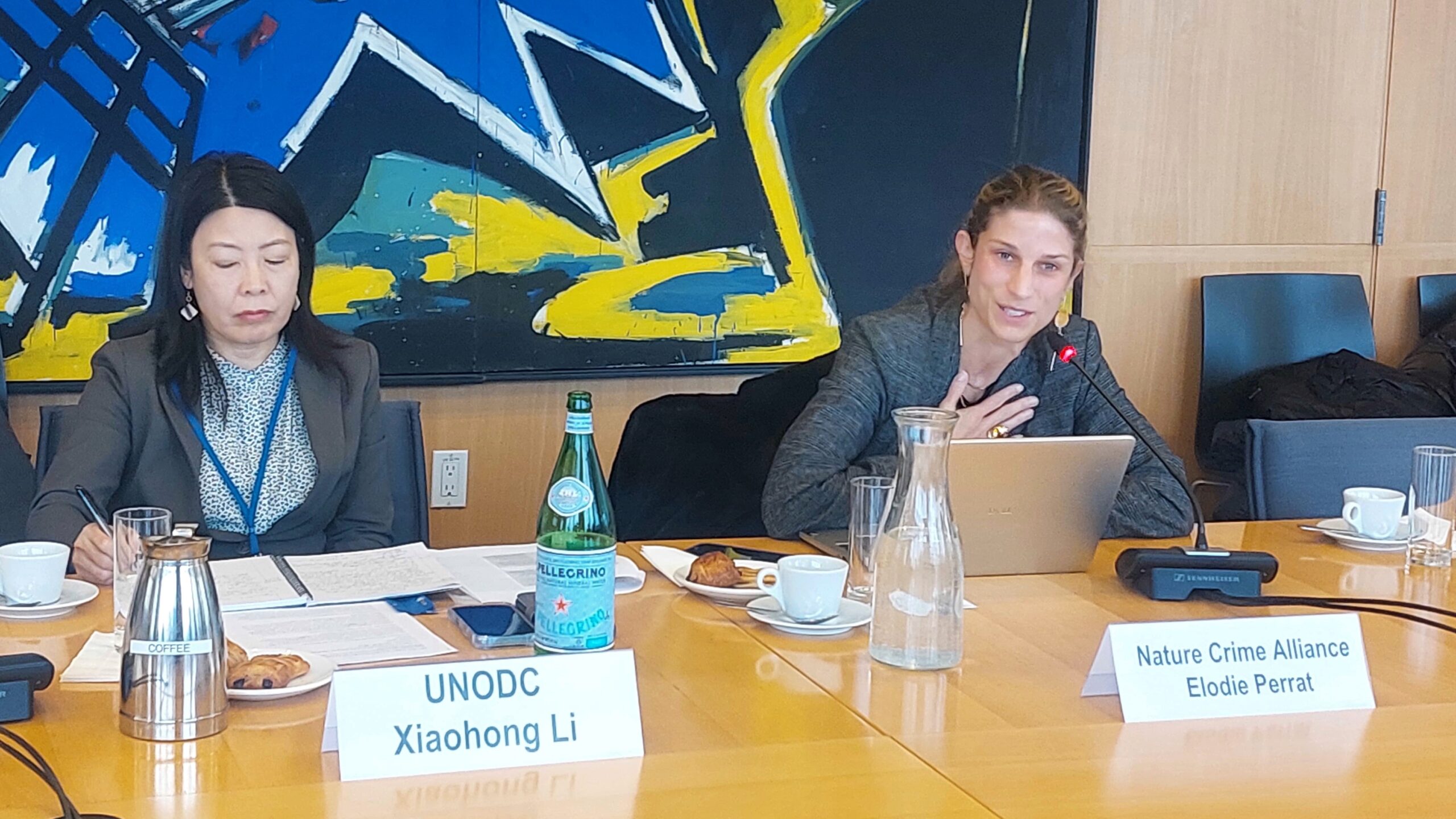
The Alliance Secretariat has continued to engage with policymakers throughout 2025. Earlier this month, Elodie Perrat, Senior Manager, briefed policymakers in New York on the state of play on environmental crime across international processes, highlighting the need to bring the various discussions across different fora together into coordinated action.
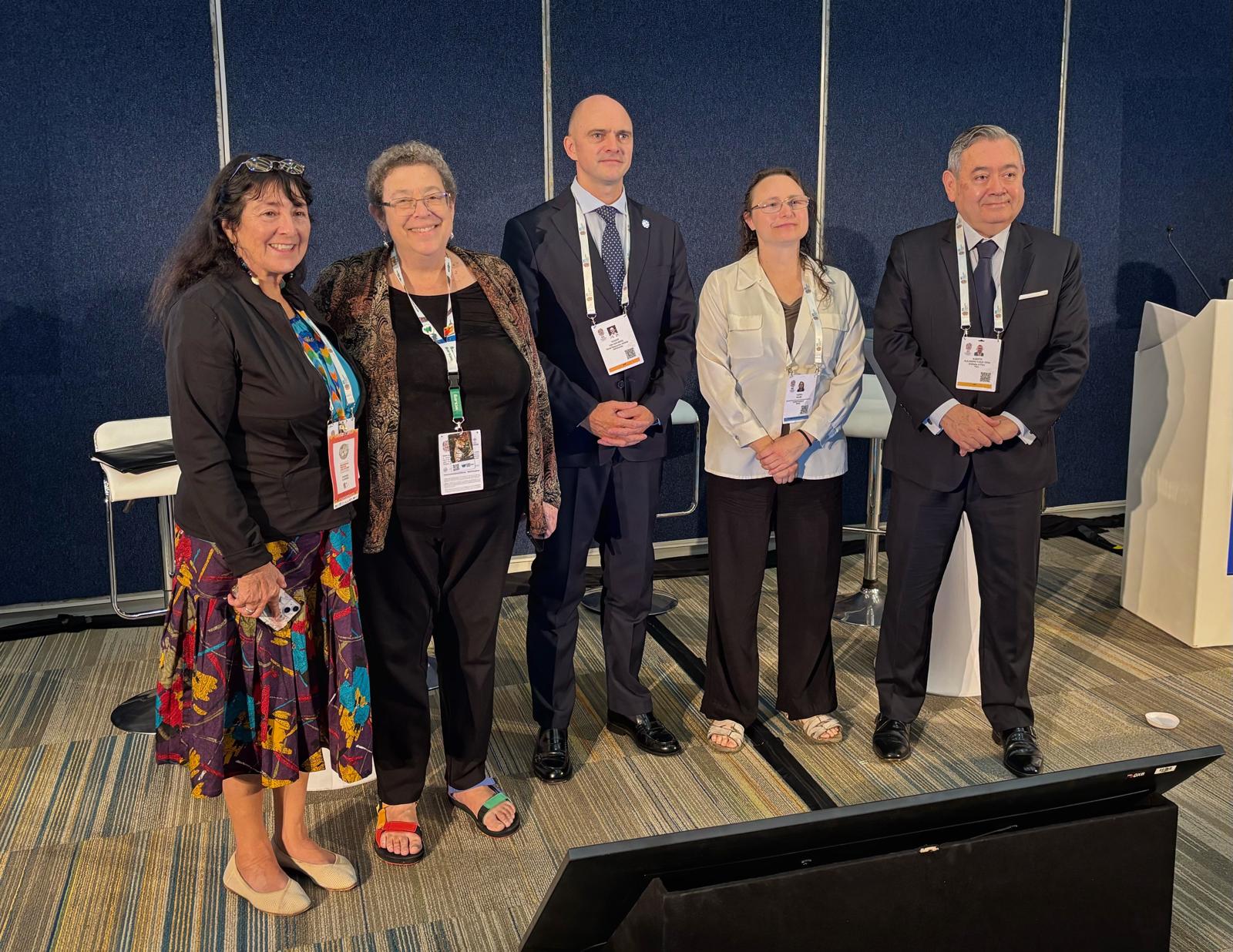
The Alliance team also sought to keep financial crime linked to environmental crime on the policy agenda, with Lynn Schlingemann, Senior Financial Crime and Corruption Associate, participating at a conference hosted by the Financial Intelligence Unit of Latvia, and the EU Commission’s ‘Environmental Crime: Five years for the EU to turn the tide!’ summit in March. Lynn also spoke at the UK Government’s Gold Conference in London this October.
In March, Ruth Nogeuron, Senior Associate, World Resources Institute, shared insights on wildlife crime in Latin America with governments and civil society actors during a meeting convened by the Group of Friends on Combatting Illicit Wildlife Trafficking, chaired by Germany, in New York.
Wildlife crime was also central to a side event the Alliance co-organised at the 20th Conference of the Parties to the Convention on International Trade in Endangered Species of Wild Fauna and Flora (CITES COP20), which focused on ways to improve collaboration between law enforcement and civil society actors.
BOLSTERING CAPACITY
The Alliance has continued to leverage its multi-sector approach to support a range of stakeholders to bolster their efforts to tackle environmental crime.
Guidelines delivered to strengthen CSO-law enforcement collaboration
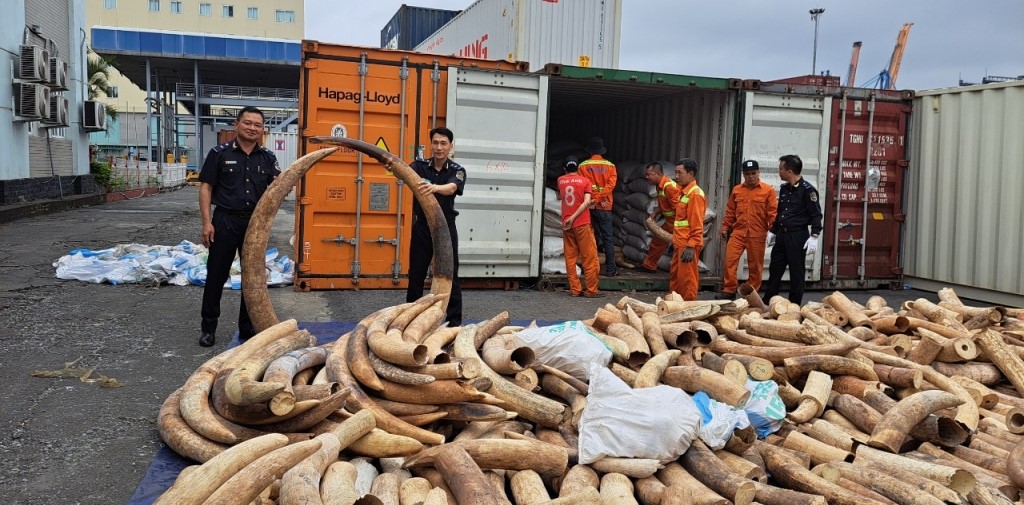
The Nature Crime Alliance, with the support of United for Wildlife and members of the INTERPOL Wildlife Crime Working Group, published a new set of Guidelines to improve the processes for civil society organisations (CSOs) to share information with law enforcement on environmental crime. The Guidelines aim to meet an often-cited and critical challenge: ensuring that high-quality information collected by CSOs is shared effectively with the appropriate law enforcement authorities in a way that is useful for investigations and prosecutions.
The Guidelines [PDF] have been shaped by feedback from both law enforcement and CSO stakeholders, with aspects aimed at both communities.
Nature Crime Resources launched
In April, the Alliance launched a raft of new Resources aimed at meeting the needs of law enforcement and civil society organisations working on crimes such as wildlife trafficking, land grabbing, and illegal forms of mining, logging, and fishing.
Developed through consultations and support from members of the Alliance, the resources include:
Wildlife Expert Directory: This resource, part of which is designed specifically for law enforcement professionals, provides access to experts on specific species and ecosystems to support wildlife crime investigations.
Index of Tools: This resource offers a well-organised catalogue of the latest digital technologies, tools and datasets existing in the field. It currently lists and provides links to more than 80 monitoring and tracking tools, indices, dashboards and platforms.
Knowledge Database: The knowledge database brings relevant research, reports and insights together in one place, providing a wealth of information on envrionmental crime at the click of a button.
Improving journalists’ understanding of environmental crimes
More than 100 journalists and communications professionals took part in a training course on environmental crime convened in partnership between the Nature Crime Alliance and its members the UN Interregional and Crime and Justice Research Institute (UNICRI) and the FACT Coalition.
‘Uncovering Environmental Crimes: Specialised Trainings for Journalists and Communications Professionals’ aimed to provide practical insights into tools and approaches drawn from intelligence analysis, financial journalism, and conservation criminology.
Five members of the Alliance – UNICRI, FACT Coalition, WWF-UK, Earth League International, and World Resources Institute (WRI) – delivered training sessions, alongside experts from across journalism, academia and civil society. Read more.
Driving information exchange between members and partners
The Alliance has continued to serve as a forum to share information and insights between members on a range of issues relating to environmental crime.
The Working Group for Indigenous People and Frontline Defenders (WGIPFD), convened in partnership with Indigenous Peoples’ Rights International, brought more than 20 representatives from 11 Indigenous Peoples organisations together in March for a session on forest monitoring technologies. Participants from South America, Africa and Southeast Asia joined the session, which also demonstrated the value of partnerships in protecting territories by providing support between communities.
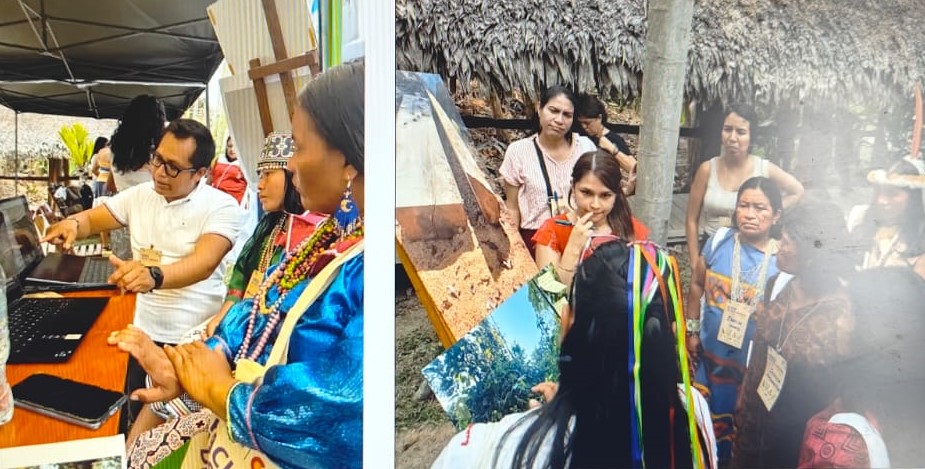
The WGIPFD also held a session in May focusing on Indigenous journalism and communications, with expert insights from Nelly Luna Amancio, Editor and Co-Founder of Ojo Público, and Yanua Atamain, a social communicator and Director of Ciber Amazonas. The session drew together more than 20 representatives from Indigenous communities around the world to explore the role of Indigenous journalism in shaping national responses to nature crime and the advancement of Indigenous rights.
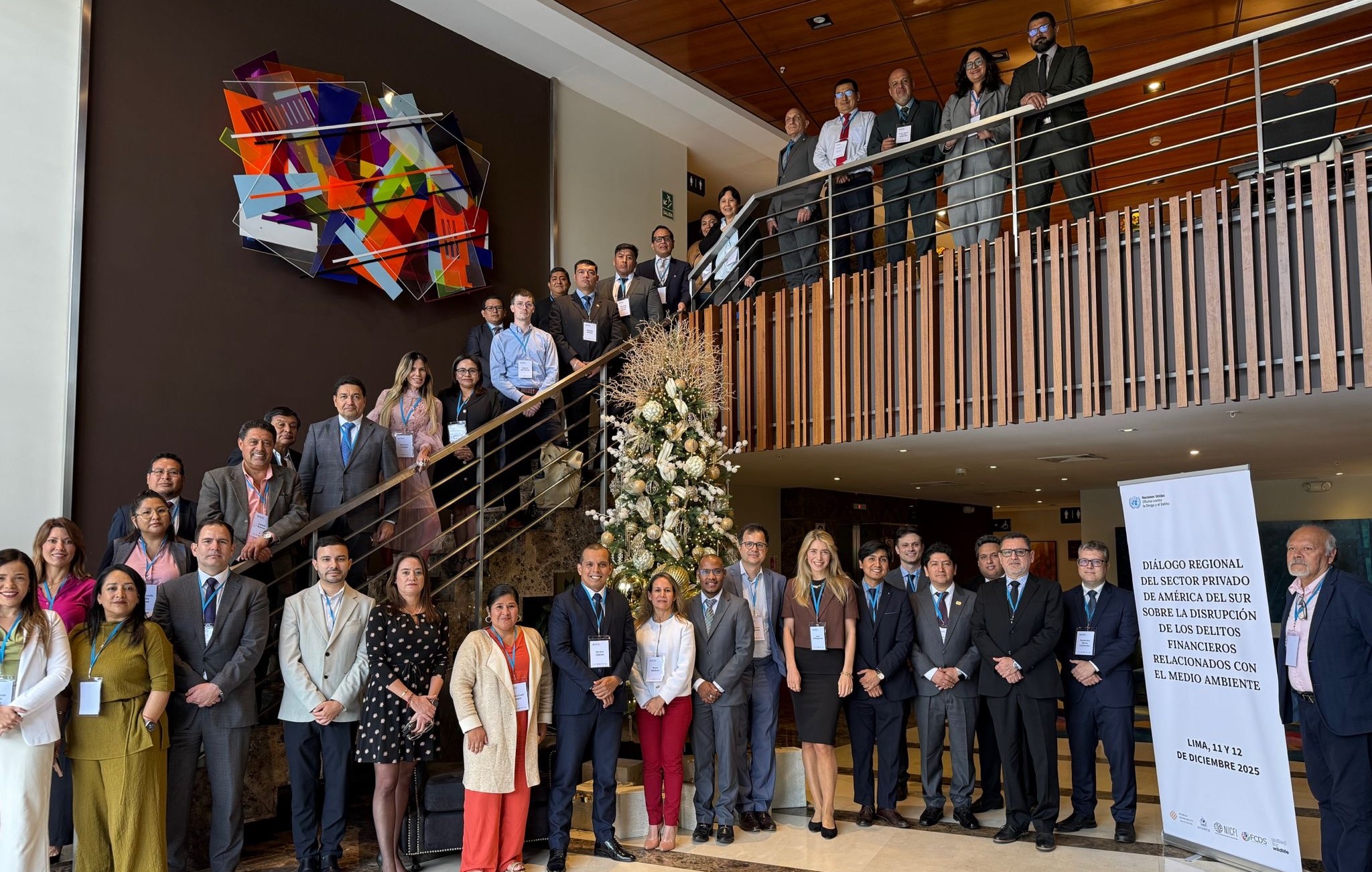
The Alliance team has also continued to support the Private Sector Dialogues (PSD) on the Disruption of Financial Crimes related to Crimes that Affect the Environment, with the first South America PSD taking place in Lima, Peru, in December. The session, which brought together banks, financial intelligence units, and law enforcement authorities, aimed to strengthen collaboration between the public and private sectors and increase participants’ understanding of risk indicators, red flags, modus operandi, and typologies of financial crimes linked to illegal mining and logging. Responding to feedback, 95% of attendees noted that they had gained new information from the sessions. Read more.
The ‘Meet the Nature Crime Alliance’ webinar series also continued in 2025, providing a platform for members to share information and insights from their work. In May, we explored the challenge of nature crime in Peru, with Dr Frank Robert Almanza Altamirano, National Coordinating Senior Prosecutor at the Specialized Environmental Prosecutor’s Office, discussing the policy approaches that are needed, such as legislation to close legal loopholes used by criminals to plunder nature. Dr Almanza also highlighted how aspects of political power can present a challenge to prosecuting nature crime cases.
Different approaches to tackling wildlife crime in Africa were also explored during the webinar, with Shawn Karns, Founding Director of the Wildlife Investigators Training Alliance (WITA), sharing WITA’s approach – particularly its focus on the “criminal justice value chain.” Shawn also spoke of the value of partnerships and collaboration – including initiatives like the Nature Crime Alliance – and the need to eradicate silos among stakeholders fighting wildlife crime.
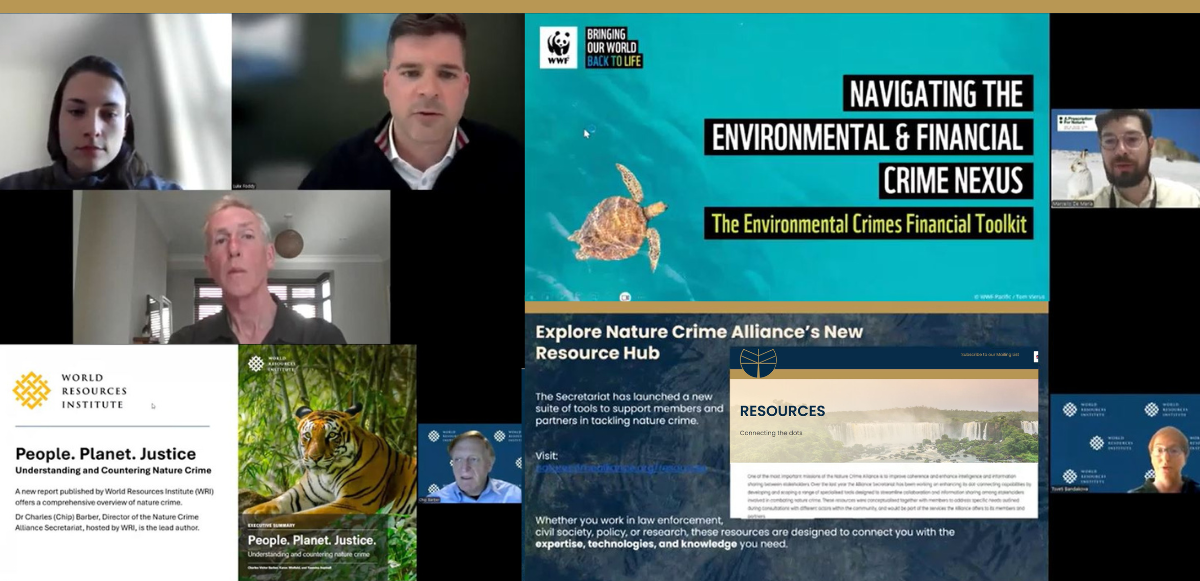
In our April webinar, we illuminated the illicit trade in Myanmar teak and a new resource to tackle financial crime linked to environmental crime. Marcello De Maria, Project Manager, WWF-UK, unpacked the Environmental Crimes Financial Toolkit – an online platform that assists financial institutions in monitoring risks related to nature crimes such as illegal deforestation, land conversion, and wildlife trafficking. Marcello’s presentation was followed by Julian Newman, Campaigns Director, and Kate Klikis, Forests Campaigner, at the Environmental Investigation Agency, who highlighted how Myanmar teak – a highly sought-after timber used for furniture and luxury yacht decking – continues to enter the US and EU markets despite measures to prevent this illegal trade.
Contributing to global knowledge
The Nature Crime Alliance Secretariat is hosted by World Resources Institute (WRI) – an independent research organisation that leverages data, expertise and global reach to influence policy and catalyze change. In April, WRI published a major report on nature crime, co-authored by Alliance Director Dr Charles ‘Chip’ Barber, that provides analysis on how these crimes work; their convergences with other forms of serious organised crime including financial crimes and human rights violations; and recommendations to support the global response to this challenge. Read the full report
Chip and Alliance Communications Manager Luke Foddy also published a WRI Insights article that explores five solutions to help tackle environmental crime, while another WRI Insights piece published in July saw Chip share analysis of organised crime networks in the Amazon.
WELCOMING NEW MEMBERS
This year saw us welcome new members to the Alliance, including ASOC, Environmental Justice Foundation, Rights and Resources International, and Conservation Allies. These organisations join a range of governments, law enforcement and international organisations, and civil society stakeholders in the Nature Crime Alliance, which now numbers 47 members.
Thank you to everyone who has engaged with the Nature Crime Alliance in 2025!

Keep Informed
Subscribe to Our Newsletter
Sign up here to receive news, analysis and event updates from the Nature Crime Alliance.